
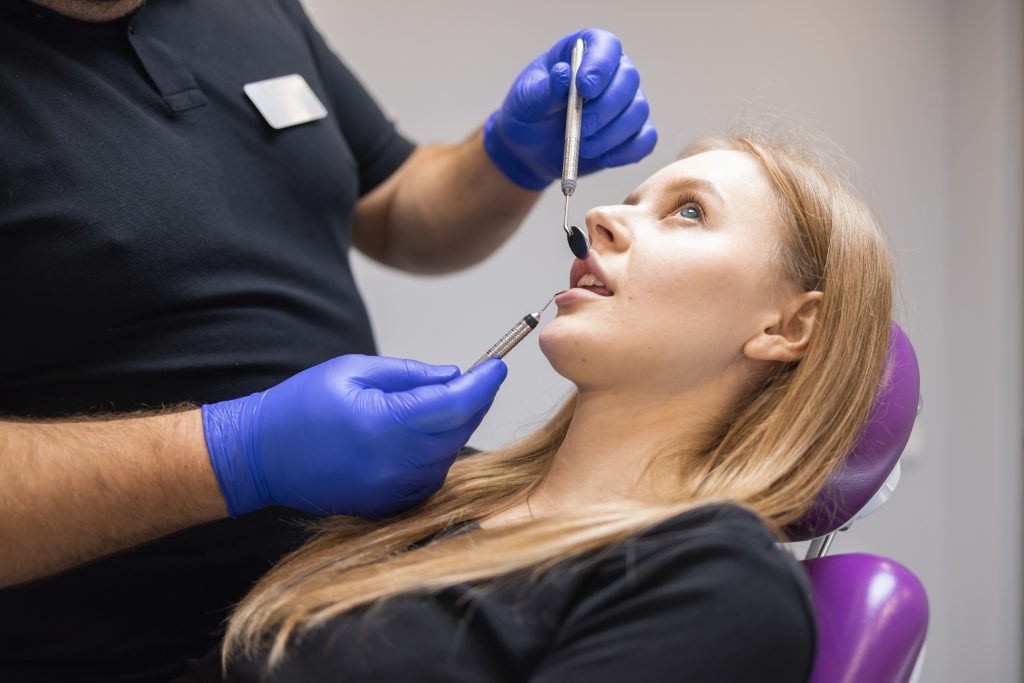
January has a funny way of making us want a clean slate. New calendar, new habits, new “this is the year I get my life together” energy. If you want a resolution that’s simple, practical, and actually improves your health, book a dental checkup. A dental checkup is one of those appointments that quietly does a lot of heavy lifting. It can catch small problems before they become expensive ones, help protect your enamel, keep your gums in good shape, and give you a plan you can follow without overthinking it. Pair that with teeth cleaning and you’ve got a true reset, not just a “freshen up.”
At enamel dental in Penticton, a routine dental checkup is designed to be clear, comfortable, and preventive. Whether it’s been six months or a few years, this guide walks you through what happens during a dental exam, what dentists teeth cleaning removes that your toothbrush can’t, how often you should come in, how to prep, and how to keep that clean feeling going.
Dental Exam Basics: What Happens During a Routine Dental Checkup
A routine dental checkup is more than someone glancing at your teeth and saying “looks fine.” It’s a structured visit that combines a dental exam with a review of how your mouth is functioning overall. Some people refer to this as a dentistry exam, but the goal is the same: assess your oral health, identify risks, and make sure you’re not heading toward a preventable problem.
A typical dental checkup may include the following:
- A quick health and history update
- Your dental team will ask about medications, medical conditions, stress, dry mouth, or changes since your last visit. These details matter because they can influence gum health, cavity risk, and healing.
- A focused dental exam
- tooth surfaces for early decay, wear, cracks, or weak spots
- existing work like fillings, crowns, and bonding to make sure everything is stable
- bite and jaw function if you’ve had discomfort, headaches, or clenching
- Gum health assessment
- Gums don’t always “hurt” when something is wrong. During a dental checkup, your gums may be measured and checked for inflammation or pocketing, which can indicate early gum disease.
- Oral cancer screening
- Quick, non-invasive, and important. This is a standard part of many dental exam appointments.
- X-rays (when appropriate)
- Not every dental checkup requires new imaging. But when it’s needed, X-rays help detect issues between teeth, under restorations, or below the gumline that a visual exam can’t catch.
If you’re the type of person who worries a dental checkup will automatically turn into a long list of treatment, it helps to reframe it. The point of a routine dental checkup is to prevent surprises, not create them. The earlier something is found, the simpler the fix usually is.
What Teeth Cleaning Removes That Brushing Can’t
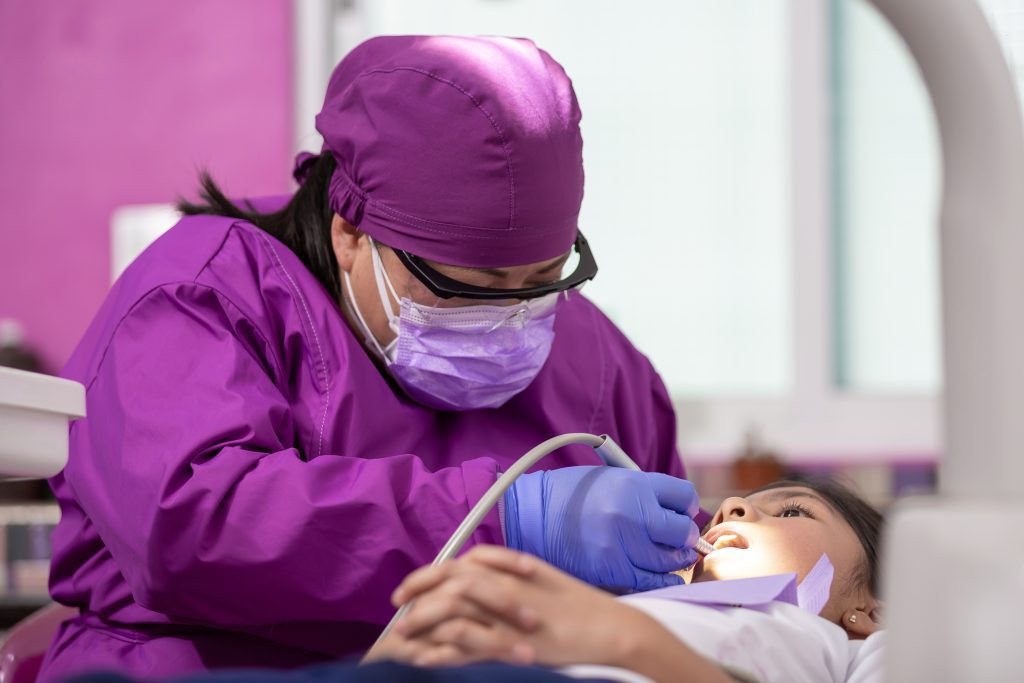
If brushing and flossing handled everything, teeth cleaning wouldn’t exist. The issue is that plaque hardens into tartar (dental calculus), and once that happens, it can’t be removed with regular at-home care. That’s where professional teeth cleaning makes a real difference.
Professional teeth cleaning commonly includes:
- Scaling to remove tartar and plaque around the teeth and along the gumline
- Polishing to smooth and remove surface stains
- Fluoride or protective recommendations when needed, depending on your risk factors
Here’s what teeth cleaning helps address that most people can’t fully manage at home:
- Tartar buildup in hard-to-reach areas
- Early gum inflammation caused by bacteria collecting near the gumline
- Persistent surface staining from coffee, tea, wine, and certain foods
- Breath issues when bacteria has been sitting in plaque and tartar for a while
A dental checkup gives you information. Teeth cleaning gives you a reset. When you combine the two, you’re not just hoping your routine is working, you’re getting confirmation and support from professionals who can see what’s happening between visits.
How Often You Need a Regular Dental Checkup
A common baseline is a regular dental checkup every six months, paired with teeth cleaning. For many people, that schedule is enough to stay ahead of cavities, gum concerns, and general wear.
But a routine dental checkup schedule should be personalized. Some people benefit from coming in more often, and it’s not because they’re failing at brushing. It’s usually because of risk factors.
You may need a dental checkup more frequently if you have:
- A history of gum disease
- Frequent cavities or weakened enamel
- Dry mouth from medications or health changes
- Extensive dental work (crowns, bridges, multiple fillings)
- Orthodontic appliances or aligners
- Smoking or vaping history
- Diabetes or other health factors that affect inflammation
There are also times when you shouldn’t wait for your next scheduled dental checkup.
Book sooner if you notice:
- Bleeding gums that don’t improve after a week of consistent flossing
- New or worsening sensitivity to cold, sweets, or pressure
- Pain when chewing
- A cracked, chipped, or loose tooth, even if it’s not painful
- Swelling, a pimple-like bump on the gums, or a persistent bad taste
- Ongoing bad breath that doesn’t improve with teeth cleaning at home
The best dental checkup is the one you book before you’re in pain. Pain tends to show up after the problem has had time to grow.
How to Prepare for your Dental Checkup
A check up at dentist is straightforward, but a little prep makes your visit smoother and helps you get better answers. The goal is to show up with context, not stress.
Before your dental checkup:
- Gather your insurance information if you’ll be using it
- Make a quick note of any symptoms or concerns (sensitivity, bleeding, jaw tension, headaches)
- List any medications and recent health changes
- Think about your goals for the visit (for example: “I want a full reset,” “I’m worried about gum bleeding,” or “I haven’t had a dental exam in years”)
On the day of your appointment:
- Brush and floss like you normally would
- No aggressive “panic flossing.” If your gums bleed, that’s useful information for your dental checkup.
- Arrive a few minutes early
- This gives you time to update forms and feel settled before the dental exam begins.
- Be honest about your habits and your schedule
- If you hate flossing or struggle with sensitivity, say so. A good dental checkup should include practical recommendations that fit your real life.
- Ask for clarity
- If you’re told something is “watching,” ask what signs would change that and when you should come back. The point of a dental checkup is to leave with a plan you understand.
If it’s been a while, don’t let that stop you. A routine dental checkup is a restart, not a judgement.
Simple habits that keep teeth cleaning results longer
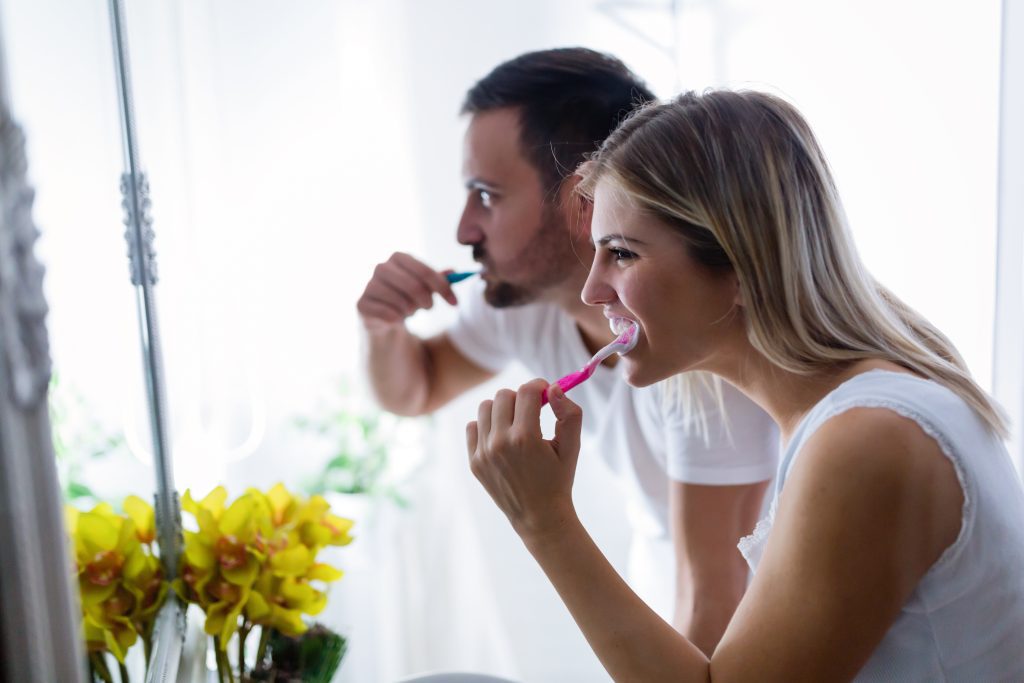
A dental checkup and professional teeth cleaning can make your mouth feel noticeably different: smoother, fresher, and “lighter.” The trick is keeping that feeling for as long as possible without adding complicated steps.
Here’s what works, and why it matters:
- Daily habits that make the biggest difference
- Brush twice a day for two minutes
- Use a soft brush and gentle pressure. Aggressive brushing can irritate gums and wear enamel.
- Floss once daily
- Brushing cleans the surfaces you can see. Flossing cleans the areas where cavities and gum inflammation often start. If you only change one habit after your dental checkup, make it this.
- Use fluoride toothpaste. Fluoride supports enamel and helps reduce cavity risk between visits.
Small upgrades that are worth it if you need them
- Consider an interdental brush if floss is difficult
- Try a water flosser if you have bridges, crowns, or gum pockets
- Rinse with water after coffee or acidic drinks to reduce staining and acidity
- Chew sugar-free gum after meals if you deal with dry mouth
- Follow any personalized recommendations from your dental exam, especially if your gums need extra support
Make your new-year reset official with Enamel Dental
A dental checkup is one of the easiest ways to start the year feeling proactive. It’s practical, preventive, and it supports your health without requiring a full lifestyle overhaul. Combine a routine dental checkup with teeth cleaning and you’ve covered both sides of the reset: a dental exam for clarity and prevention, plus professional cleaning for a fresh baseline. If you’re ready to book your next dental checkup, enamel dental is here to help you get back on track with a comfortable dentist experience.