
Missing teeth can affect far more than appearance. Tooth loss can change how you chew, how you speak, and how comfortable you feel smiling. For many patients in Penticton, deciding between dental implants and dentures is a key step toward restoring both function and confidence. While both options are designed to replace missing teeth, they differ significantly in structure, longevity, and overall experience.
At Enamel Dental Centre, patients often want to understand how dental implants compare to dentures, especially when dental crowns, implant crowns, and porcelain crowns are part of the discussion. Knowing how these tooth replacement options work can help you choose a solution that supports long-term oral health and daily comfort.
Understanding Dental Implants, the Procedure, and Implant Crowns
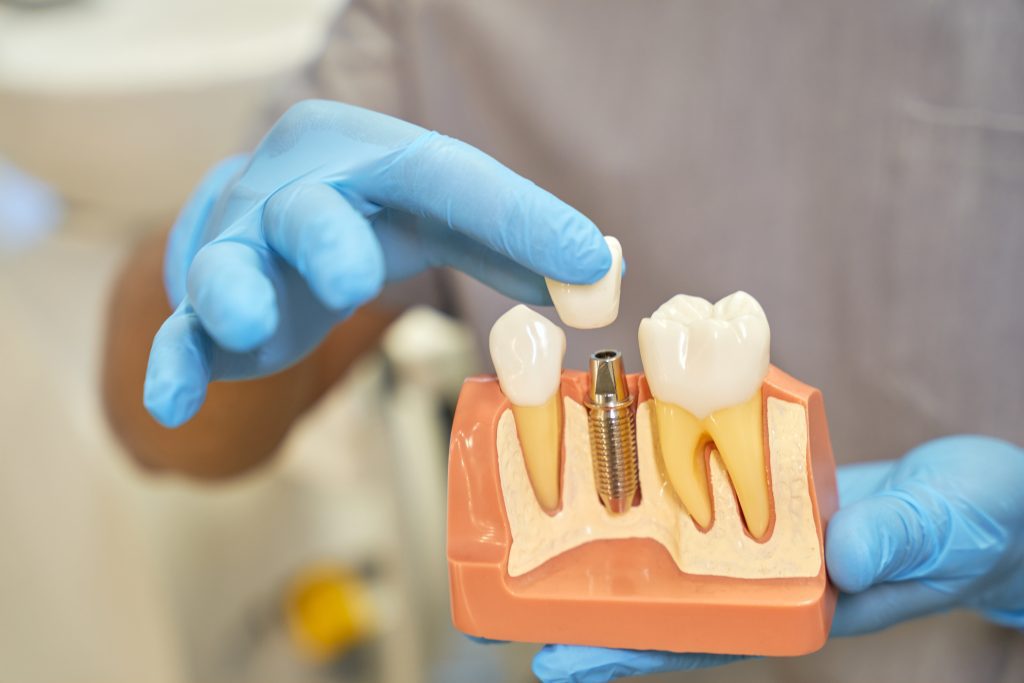
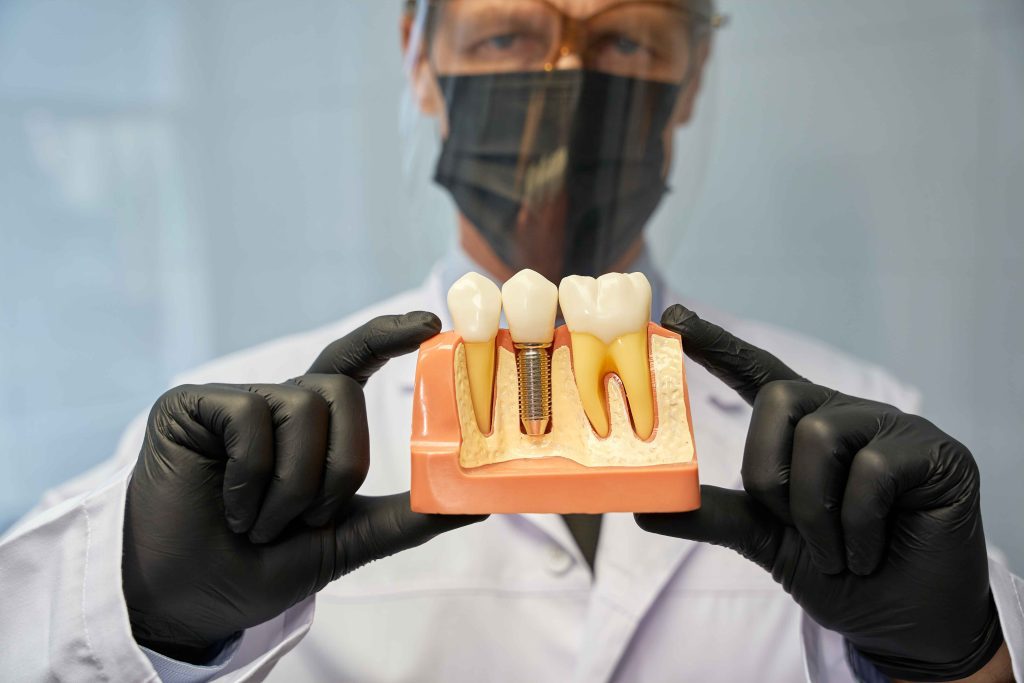
Dental implants are a modern tooth replacement solution designed to closely mimic the structure of your natural teeth. Instead of sitting on the surface of the gums, dental implants are placed directly into the jawbone, where they act as artificial tooth roots. This provides a stable foundation for an implant crown, which restores the visible portion of the tooth.
The dental procedure for dental implants usually happens in multiple stages:
Implant placement
The dental procedure begins with surgically placing the dental implant into the jawbone, where it functions as an artificial tooth root. This step creates the foundation needed to support the final restoration.
Healing and bone integration
Over the following weeks or months, the jawbone heals and bonds with the implant in a process that creates a stable, long-term anchor. This integration is what allows dental implants to feel secure and function like natural teeth.
Crown attachment
Once healing is complete, a custom dental crown or tooth crown is attached to the implant. This final step restores the appearance, strength, and function of the missing tooth, completing the dental implant restoration.
Before committing to treatment, many patients want to understand what the dental implant process actually involves and how each step contributes to a strong, long-lasting result.
Dentures and Dental Prostheses Compared to Dental Implants
Dentures are a traditional dental prosthesis used to replace multiple missing teeth or full arches. They are usually removable and rest directly on the gums rather than being anchored into the jawbone. Depending on how many teeth are missing, dentures may be full or partial, and they are custom made to fit each patient’s mouth.
Because dentures rely on the gums for support, they can come with some limitations that patients should be aware of.
- Dentures may shift during eating or speaking, which can affect comfort and confidence.
- Over time, natural changes in the jawbone can cause dentures to loosen, leading to the need for adjustments or replacement.
- Some patients find that dentures reduce chewing efficiency or limit food choices, particularly when eating harder or stickier foods.
Dental implants differ significantly because they are fixed in place and function as a permanent dental prosthesis. Unlike dentures, dental implants do not rest on the gums or rely on adhesives to stay secure. This fixed design often makes dental implants feel more stable and more natural during everyday activities such as chewing and talking.
That said, dentures may still be an appropriate solution in certain cases. Patients with medical conditions, reduced bone density, or those who prefer a removable option may benefit from dentures. A Penticton dentist can assess your oral health, discuss your goals, and help determine whether dental implants or dentures are better suited to your individual situation.
Crowns for Dental Implants and Traditional Dental Crowns Explained

Crowns for dental implants are custom restorations designed to attach directly to an implant rather than a natural tooth. An implant crown is shaped and coloured to blend seamlessly with surrounding teeth, restoring both appearance and function.
A traditional dental crown or tooth crown is placed over an existing natural tooth that has been weakened by decay, fracture, or prior dental work. In contrast, crowns for dental implants are supported entirely by the implant post embedded in the jawbone.
Porcelain crown options are commonly used for both implant crowns and traditional dental crowns because they offer durability and a natural look. A porcelain crown reflects light similarly to natural enamel, making it an excellent choice for visible teeth. When crowns for dental implants are carefully designed, they provide a strong bite and a lifelike appearance that supports overall oral function.
Comparing Dental Implants and Dentures for Comfort, Function, and Appearance
When comparing dental implants vs dentures, comfort is often a major deciding factor. Dental implants are fixed in place and do not move, which helps prevent irritation or sore spots on the gums. Dentures, particularly older ones, can cause discomfort if they no longer fit properly.
Function is another important difference. Dental implants allow patients to chew with strength similar to natural teeth. Dentures may reduce biting force and make it more difficult to eat certain foods, especially hard or sticky items.
Appearance also plays a role. Dental implants help preserve jawbone structure, which supports facial shape over time. Dentures do not prevent bone loss, and this can lead to changes in facial appearance as the jawbone gradually shrinks. Implant crowns, especially when made as a porcelain crown, are designed to look and feel like natural teeth, contributing to a confident smile.
For many patients, dental implants offer a long-term solution that requires less ongoing adjustment compared to dentures. This makes dental implants a popular choice for tooth replacement in Penticton.
Finding the Right Tooth Replacement Option in Penticton
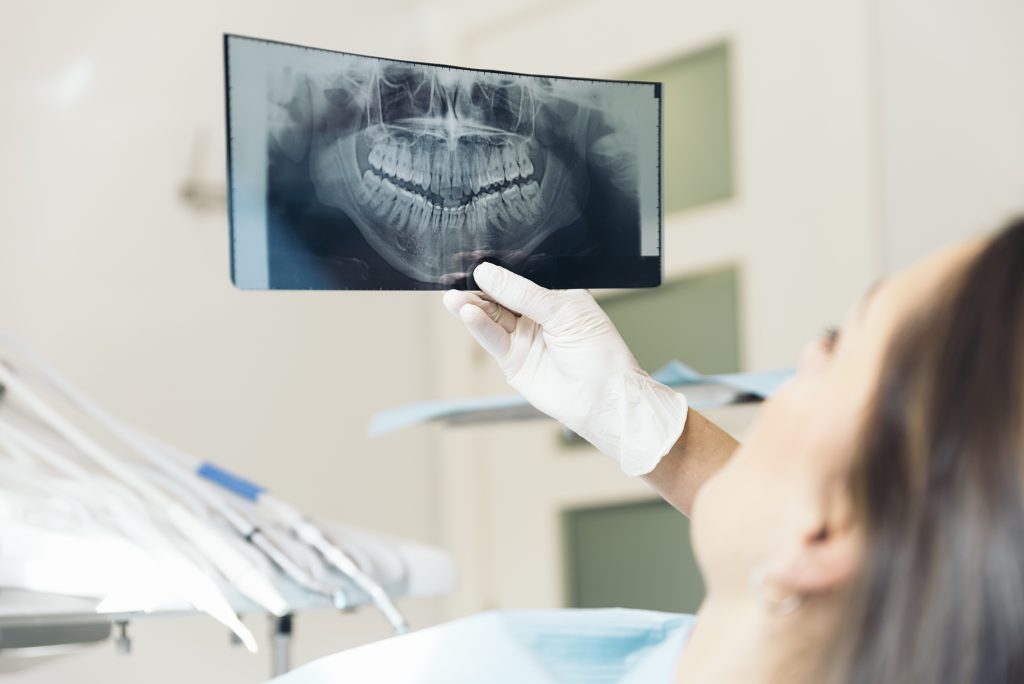
Choosing the right tooth replacement option depends on several factors, including oral health, lifestyle, and long-term goals. A consultation with a Penticton dentist is essential for determining whether dental implants, dentures, or another dental prosthesis is the best fit.
At Enamel Dental Centre, treatment planning is personalized to each patient. Bone health, the number of missing teeth, overall medical history, and budget considerations all play a role in recommending dental implants or dentures. Some patients may benefit from combining solutions, such as dentures supported by dental implants for added stability.
Dental implants may be ideal for patients looking for a permanent, stable option that closely replicates natural teeth. Dentures may still be suitable for those seeking a removable solution or who are not candidates for implant surgery. With guidance from an experienced Penticton dentist, patients can make an informed decision that supports comfort, function, and long-term oral health.
Final Thoughts
Dental implants and dentures both serve important roles in restorative dentistry, but they offer very different experiences. Dental implants provide stability, durability, and natural function, while dentures offer a removable alternative for broader tooth replacement needs.
For patients exploring dental implants and dentures in Penticton, Enamel Dental Centre provides professional care and clear guidance to help you choose the option that best supports your smile and overall well-being. To learn more, book a consultation with your Penticton dentist today!